
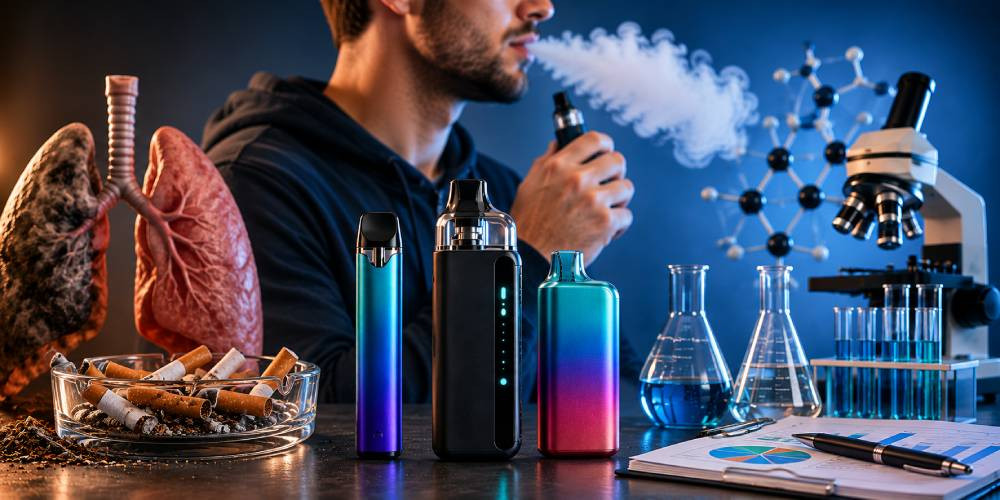
Is Vaping Safe? Myths, Facts, and What Science Says in 2025
Posted by Kyle Wilson on Sep 10th 2025
Key Takeaways
- Vaping is not risk-free, but myths often exaggerate or oversimplify the facts.
- Science in 2025 shows vaping differs significantly from smoking.
- Regulations now enforce higher standards for ingredients and product safety.
- Not all devices are equal — pods, mods, and disposables each have unique qualities.
- Choosing trusted retailers ensures safer, more reliable vaping products.
The Ongoing Debate Around Vaping
When vaping first hit mainstream culture, it was pitched as a sleek, modern alternative to traditional smoking. We remember those early days clearly: the excitement around e-cigarettes, the skepticism from critics, and the confusion from customers who weren’t sure what to believe.
Fast forward to 2025, and vaping has established itself as a global industry worth billions. Yet the debates around it continue, fueled by media coverage, political arguments, and cultural conversations. On one side, you have advocates who see vaping as an innovative shift in lifestyle choices. On the other hand, you have critics who question its long-term safety and the appeal it holds for younger demographics.
From our perspective as a retailer, the truth has always been more complicated than the headlines suggest. We’ve watched customers transition from early cig-a-likes to today’s advanced pod systems and disposables. We’ve also seen how the industry has had to adapt to increasing regulation and higher consumer expectations. What hasn’t changed is the question at the heart of it all: Is vaping safe?
The answer depends on context. Safe compared to what? Safe under what conditions? Safe when manufactured responsibly or when sourced from a random online seller with no oversight? The reality is nuanced, and that’s why it’s important to cut through the myths.
Common Myths About Vaping
Myth 1: Vaping is completely harmless
One of the biggest misconceptions we encounter is the idea that because vapor doesn’t come from burning tobacco, it must be completely harmless. While technology has made vaping far safer than it once was, no responsible voice in the industry claims it is 100% risk-free. Every product, from food to cosmetics, carries some level of risk. Vaping is no different.
What we emphasize to customers is this: harm isn’t an all-or-nothing concept. Instead of chasing absolutes, it’s better to focus on differences between products, the quality of ingredients, and the way devices are used. That’s where the meaningful distinctions exist.
Myth 2: Vaping is just as dangerous as smoking
This myth has stuck around for years, largely because it’s an easy talking point. But anyone who’s followed the science knows there’s a difference. While smoking involves combustion and thousands of chemicals, vaping operates through vaporization with a more limited set of ingredients. The nuance often gets lost in dramatic headlines, but the research paints a clearer picture.
From our experience, customers who repeat this myth usually heard it secondhand — from news reports, social media, or word of mouth. Our role is to encourage them to look at peer-reviewed studies and industry regulations rather than simplified soundbites.
Myth 3: All vape products are the same
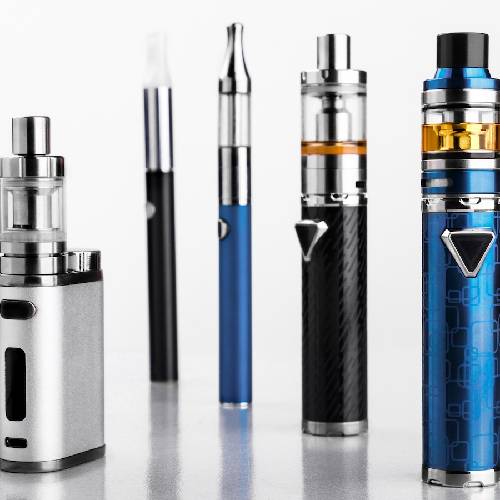
We hear this one a lot, especially from people new to vaping. The truth? The difference between a basic pod system, a box mod, and a disposable vape is massive. Each product type operates differently, delivers nicotine differently, and varies in quality depending on the manufacturer. There are even some device that do not deliver nicotine at all, and those are referred to as a nicotine free vape.
For example, a high-end mod kit with adjustable wattage requires more knowledge and maintenance, while disposables are designed for convenience. Treating them as identical oversimplifies the market and ignores how much variety actually exists.
Myth 4: Vaping always leads to smoking
This argument, often called the “gateway” theory, suggests that vaping is just a stepping stone to cigarettes. The evidence on this is mixed at best. While some individuals experiment with both, many never transition to smoking at all. We’ve had countless customers who have never touched a cigarette but enjoy vaping because of flavors, community, or simple curiosity.
The reality is that human behavior is too complex to be reduced to a single pathway. Oversimplifying this myth does more harm than good, because it ignores the wide range of reasons people choose vaping in the first place.
What Science Says in 2025
The most valuable piece of the puzzle is what the latest research actually tells us. Back in the early 2010s, we didn’t have enough long-term data to draw meaningful conclusions. In 2025, the situation is very different.
Comparisons with Smoking
Studies consistently show that vaping and smoking are not identical. While both involve inhalation, the substances and processes are fundamentally different. Research has highlighted the distinctions in chemical exposure, showing that vaping products — especially those regulated by agencies like the FDA — carry a different risk profile.
Product Advancements
We’ve also seen firsthand how technology has transformed the industry. Modern devices now feature mesh coils for more efficient vaporization, batteries with built-in protections, and e-liquid formulations that follow strict guidelines. These improvements aren’t just for show — they directly impact consistency and reliability.
Ingredient Focus
In the past, one of the biggest criticisms of vaping was the lack of transparency around ingredients. Today, that landscape has changed dramatically. Clear labeling, bans on questionable additives, and tighter regulation mean that consumers now know exactly what they’re buying.
The takeaway is clear: not all products are equal, and lumping them together ignores the progress made in both science and manufacturing.
Regulatory Landscape in 2025
If there’s one area where we’ve seen the biggest change, it’s in regulation. Early on, vaping existed in a gray zone with little oversight. Now, that couldn’t be further from the truth.
United States
The FDA has implemented a rigorous approval system for e-liquids and devices. Products must meet strict manufacturing and labeling standards before they hit the shelves. This has eliminated many low-quality options that once flooded the market.
Europe
The EU continues to enforce limits on bottle sizes, nicotine strengths, and advertising. While some consumers find these restrictions frustrating, they’ve ultimately created a safer, more transparent market.
Global
Around the world, regulations vary. Some countries have embraced vaping as part of their consumer markets, while others have opted for bans or heavy restrictions. For us as a retailer, this global landscape matters because it influences product availability and innovation.
Facts Every Consumer Should Know
After years of working directly with customers, we’ve learned that the best experiences come from those who take the time to understand the basics. Here are some facts that every vaper should know in 2025:
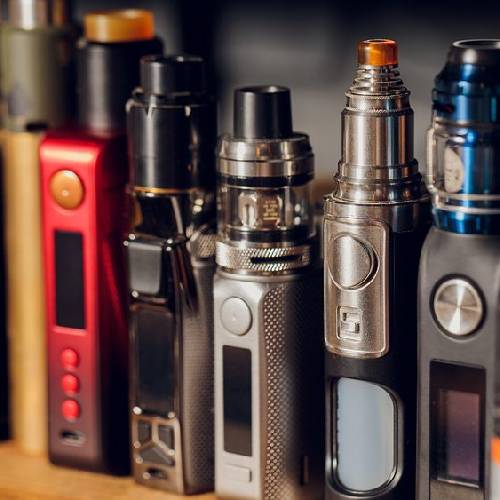
- Product types matter – Pods, mods, and disposables each serve different purposes. Choosing the right one depends on lifestyle, not hype.
- Quality varies by brand – Established manufacturers spend years perfecting products and passing tests, while off-brand options often cut corners.
- Ingredients are transparent – Labels now clearly state propylene glycol, vegetable glycerin, nicotine content, and flavor components.
- Maintenance plays a role – Properly maintaining refillable devices improves both performance and safety. Coils and tanks aren’t meant to last forever.
- Retailers matter – Buying from trusted stores like ours reduces the risk of counterfeits or substandard products reaching your hands.
These facts may sound simple, but they make all the difference when it comes to a safe and enjoyable experience.
Striking a Balanced Perspective
Over the years, we’ve seen how extremes dominate the conversation. On one hand, there are those who claim vaping is completely harmless. On the other, those who insist it’s just as bad as smoking. The truth lies somewhere in the middle.
At West Coast Vape Supply, we believe in balance. We don’t oversell vaping as risk-free, but we also don’t buy into exaggerated claims. What we focus on is helping our customers understand the facts, weigh their options, and choose products that suit their needs.
This approach has served us and our customers well because it acknowledges both the progress made and the responsibilities that come with using these products.
Conclusion
So, is vaping safe? In 2025, the honest answer is that it’s safer than many myths suggest, but not without considerations. The science highlights important distinctions between vaping and smoking, regulations have created a more transparent industry, and technology has made products more consistent and reliable.
As a retailer, our commitment is to keep you informed. Whether you’re exploring pod systems, experimenting with mods, or trying out a new disposable, the key is to make choices based on facts rather than hype.
At West Coast Vape Supply, we believe the more knowledge you have, the better your experience will be. This vape blog isn’t about selling an illusion. It’s about cutting through myths, presenting the facts, and giving you the tools you need to navigate an industry that’s always evolving.